Leeds Industrial Museum at Armley Mills, explained
A Grade II listed woollen mill on the Aire, with looms, a printing press and a 1920s cinema telling the story of a city that made things.
By Only Leeds Editorial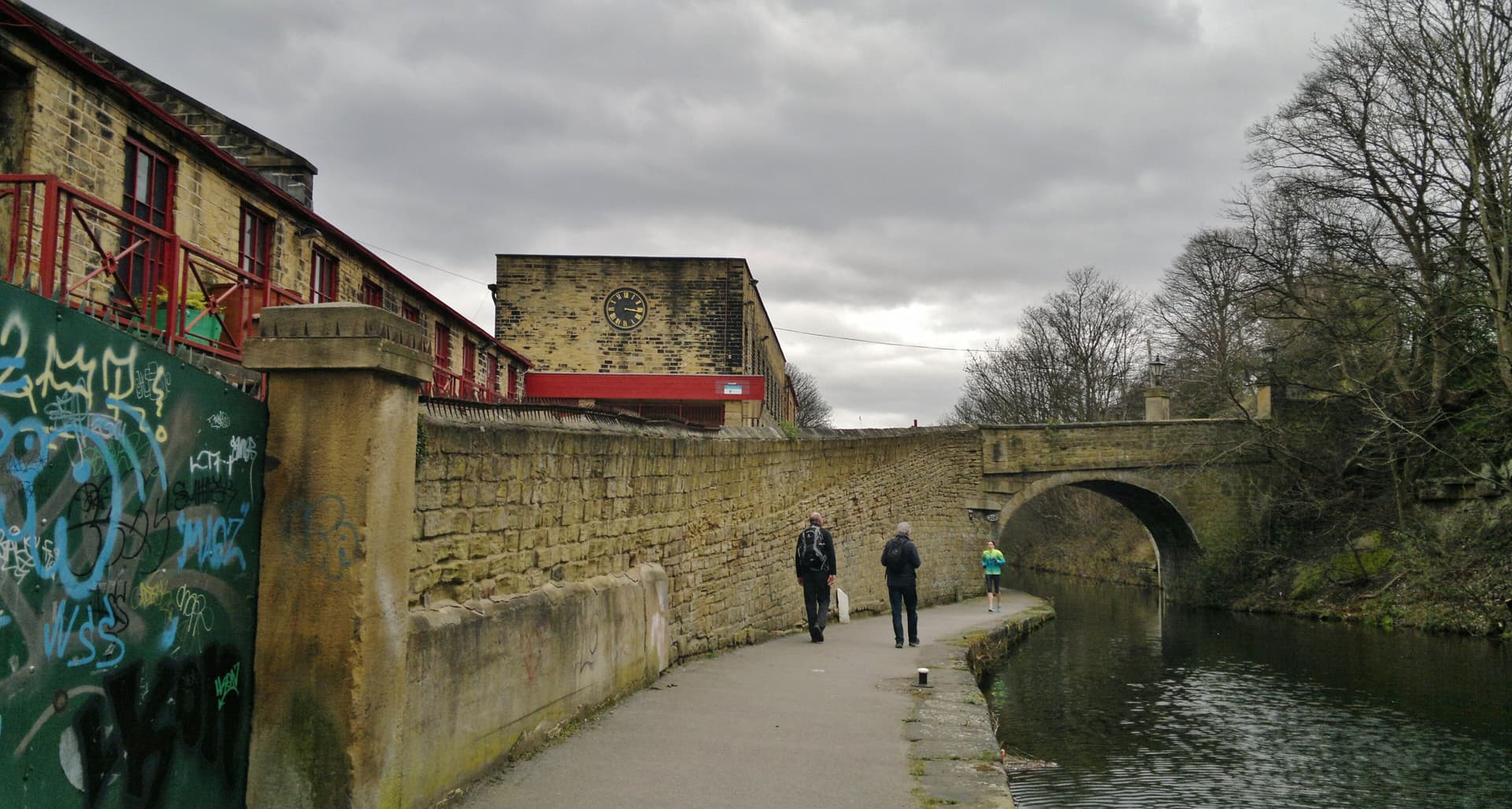
Plenty of cities have a museum about industry. Leeds has one in the actual mill. Leeds Industrial Museum, formerly Armley Mills, sits on Canal Road in Armley, on the River Aire and the canal, west of the city centre. It is housed in a Grade II listed building and tells the story of Leeds manufacturing: textiles, printing, film and engineering.
Why the mill matters
The mill site goes back a long way. Art UK says there were mills here from the 17th century, and the Yorkshire Evening Post puts the site's place in Leeds' industrial story at more than 500 years. By 1788 Armley had five waterwheels powering eighteen fulling stocks, and that year Colonel Thomas Lloyd, a Leeds cloth merchant, bought it and made it the world's largest fulling mill.
Then came fire. The mill was destroyed in 1805, and Benjamin Gott bought it and rebuilt it in 1805 to 1807 on a much bigger scale: four storeys and 23 bays, built with fireproof materials. Cast-iron internal frames were part of the answer to the fire risk. Two water wheels powered it until 1840, when steam took over.
It was once billed as the largest woollen mill in the world, and the museum's information pack says it exported to the Americas, Europe and the Far East. Keeper Chris Sharp told the Yorkshire Evening Post that hundreds of people worked here in 1805, children among them, making heavy woollen blankets. By the end there were far fewer workers, because machinery had automated the job. Production stopped in 1969 and the site reopened as a museum in 1982, opened that summer by the Blue Peter presenters Sarah Greene, Simon Groom and Peter Duncan.
What you will see
- The Textile Galleries: spinning wheels and looms, the heart of the place.
- The Palace Picture House: a 1920s cinema, which recent reviewers single out for praise.
- Printing, clothing, engineering and locomotives: the other themes running through the building.
- The Victorian printing press: Chris Sharp's favourite object, and one visitors have long been able to use.
The collection is the point. Leeds' industrial collections are largely based here and are Designated, meaning of national and international significance. They include material from John Fowler & Co., Vickers, A. Kershaw & Sons, Benjamin Gott, Burtons, Kirkstall Forge and the Hunslet Engine Co. Sharp's line sums it up: everything in the collection was either made or used in Leeds.
Not all of it is comfortable. The Yorkshire Evening Post reported that curators uncovered an Edwardian accident book recording injuries and deaths of mill workers, a reminder of what the cloth cost.
Plan your visit
Address: Canal Road, Leeds LS12 2QF.
Opening hours: closed Mondays except bank holidays. Tuesday to Friday 10am to 5pm, Saturday and Sunday 12 to 5pm. Last entry is 4pm. Check before travelling on a bank holiday.
Tickets: adult £6.40, child (3 to 18) £3.50, family (two adults and up to three children) £14.50. You can buy on site or online. Entry is free for National Art Pass holders, Leeds Art Fund members, Friends of Leeds Museums, Max Card holders (the holder plus one adult), and refugees and asylum seekers. Households in the LS3, LS4, LS5 and LS12 postcodes pay £1, one admission per person.
Parking: read this one first. The main car park is closed while Yorkshire Water carries out sewage works as part of the Storm Alliance project, which aims to improve the cleanliness of the River Aire. The council says alternative parking is listed on its Visit Us page, so look there before you set off. A visitor review also reported the outdoor areas being out of bounds because of construction, so do not count on a wander by the water.
Phone: 0113 378 3173, staffed Monday to Friday 10am to 4pm and Saturday and Sunday 12 to 4pm. Worth a call to ask about the cafe, accessibility and anything running that day.
Set your expectations
It is not a vast day out. One reviewer reckoned a visit took about an hour and ten minutes, though families with children will stretch it. Some visitors have found machines not running and said the site needs investment, while others have caught a weaving demonstration. Demonstrations are not guaranteed, so treat one as a bonus. TripAdvisor has it at 4.2 out of 5 from 289 reviews.
Go for the building, the Leeds-made objects and the cinema, and you will come away understanding why this city grew the way it did. The museum's own pages are the best place to check hours and the car park before you leave. See the council's visit page, the Visit Leeds listing and the Yorkshire Evening Post feature for more.